
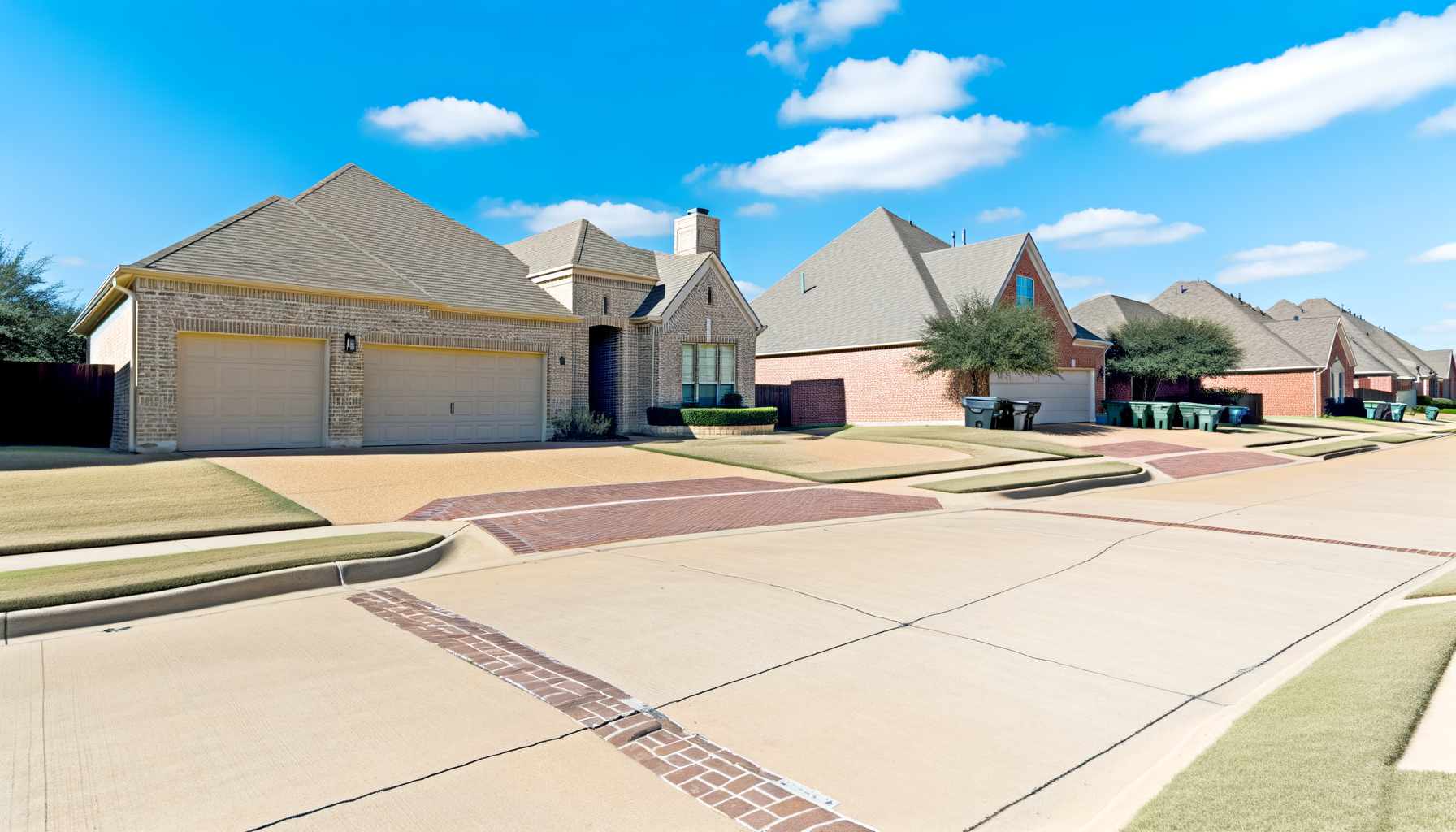
When buyers start researching the cost of living in Plano, property taxes typically come up early in the conversation. Plano’s strong city services, well-maintained infrastructure, and thriving business base have helped keep the city desirable for decades — but those advantages come with tax implications that are worth analyzing before making an offer on a home. Understanding how property taxes affect your monthly costs can make the difference between comfortably managing your mortgage and stretching too far.

Unlike rent or utilities, property taxes can vary significantly based on which part of Plano you buy in and how different taxing authorities overlap. A thoughtful approach involves looking beyond just the purchase price — examining tax rates, HOA dues, and maintenance expectations will give you a more realistic view of long-term ownership costs in this Collin County hub.
How Expensive Is Plano, TX?
Plano sits in the northern portion of the Dallas–Fort Worth metroplex and tends to carry moderate ownership costs compared to its suburban peers. For many homeowners relocating from inside Dallas city limits, Plano often feels like a step up in terms of lot size or construction quality without the highest suburban price premiums found further west in Collin County. The market has a strong mix of older homes built in the 80s and 90s and newer infill or master-planned developments.
While Plano is not the lowest-cost suburb, many buyers are willing to accept the tax rate tradeoff for the city’s mature infrastructure, established neighborhoods, and well-planned local services. For buyers deciding between Plano and nearby areas, tax bills and HOA fees tend to be part of that value calculation, often weighing stability and neighborhood upkeep against slightly higher carrying costs.
Housing Costs in Plano
Plano’s housing stock spans a wide range of sizes and ages. On the west side, neighborhoods such as Willow Bend West often include larger homes on well-landscaped lots that may come with higher appraised values — meaning higher property taxes, even if the citywide rate is the same. These homes attract buyers who prioritize privacy, space, and strong resale stability, but they do need to budget for higher tax bills, insurance premiums, and maintenance costs than those in Plano’s more compact areas.
Toward the northern edge of the city, areas like Ridgeview Ranch Estates feature planned communities with golf course views and organized homeowner associations. In addition to property taxes, owners here typically pay HOA dues that contribute to landscaping, amenities, and security patrols — costs that should be factored into any affordability assessment. On the other hand, these fees can protect long-term property values, keeping the area consistently well-maintained.
In central Plano, long-established neighborhoods such as Deerfield combine mature trees with custom-built homes. These houses may have lower assessed values than new construction in some cases but can carry similar tax bills if the properties have been extensively updated. Buyers attracted to this style of neighborhood often care more about home quality and resale history than the absolute lowest cost per square foot.
Property Taxes and Ownership Costs in Plano
Plano’s property tax rate combines several entities: the city, the county, the school district, and any applicable special districts. Even small changes in rate from one year to the next can impact budgets for homeowners across the city. The assessed home value — set by the county appraisal district — determines the taxable base. Buyers moving from other states often find Texas property taxes higher comparatively since there is no state income tax.
Beyond the annual property tax bill, ongoing ownership costs include homeowner’s insurance (influenced by age and type of roof, storm exposure, and coverage levels), regular maintenance of fences, irrigation, and landscaping, and potential HOA assessments. Some Plano neighborhoods require exterior upkeep consistent with community standards, so buyers should confirm expectations before closing.
Monthly Cost Breakdown to Think About
Evaluating Plano’s cost structure means going beyond principal and interest. A realistic monthly projection might include:
- Property taxes – paid annually but typically escrowed into monthly mortgage payments.
- Homeowner’s insurance – influenced by coverage requirements, area claim history, and roof type.
- HOA fees – applied where neighborhood associations manage maintenance or amenities.
- Maintenance and utilities – older homes may require higher upkeep, while newer builds can have more efficient systems.
Adding these factors to your calculation early helps you compare neighborhoods on a true monthly cost basis rather than only purchase price.
How Plano Compares to Nearby Areas
Relative to suburbs such as Frisco, Allen, or Richardson, Plano sits near the center both geographically and financially. Frisco can have newer construction and slightly higher HOA dues, while Allen has somewhat comparable property tax rates but smaller average lot sizes in some communities. Plano’s mix of established and renovated homes means that while taxes can be substantial, so can resale strength — particularly in areas with limited lot availability.
Buyers drawn to the city often appreciate how easily they can balance access to jobs and amenities in north Dallas with a well-developed suburban environment. For many, the tradeoff comes down to the convenience and reliability of Plano’s established infrastructure compared with the ongoing construction and longer commutes found in newer growth suburbs.
Is Plano Worth the Cost?
When buyers weigh Plano’s property taxes and housing costs against other suburbs, the question usually comes down to value retention and daily quality of life. The city’s thoughtful planning and stable neighborhoods continue to attract long-term residents, keeping demand consistent and resale prospects strong. If you expect to own a home for at least several years, those property taxes effectively support city services and neighborhood standards that help sustain property values.
For buyers watching their monthly payment closely, analyzing each component — from taxes to HOA fees — reveals where the true value lies. In Plano, that value often shows in strong resale history, stable community upkeep, and accessibility to major employment centers.
About Dustin Pitts | Plano Real Estate Agent
Buying or selling in Plano presents unique financial considerations, especially around property tax implications and neighborhood-level cost differences. Dustin Pitts helps clients understand the nuances of Plano’s subdivisions and long-term expenses so they can make confident, sustainable decisions.
With years of experience representing homeowners and buyers across the Dallas–Plano corridor, Dustin’s local insight extends beyond listings and into the details that affect your budget — from seasonal maintenance patterns to community management expectations.
If you’re preparing to evaluate your next move, connect with a Plano real estate agent who can help you quantify costs, identify strong-value neighborhoods, and approach the purchase or sale with clarity and confidence.


