
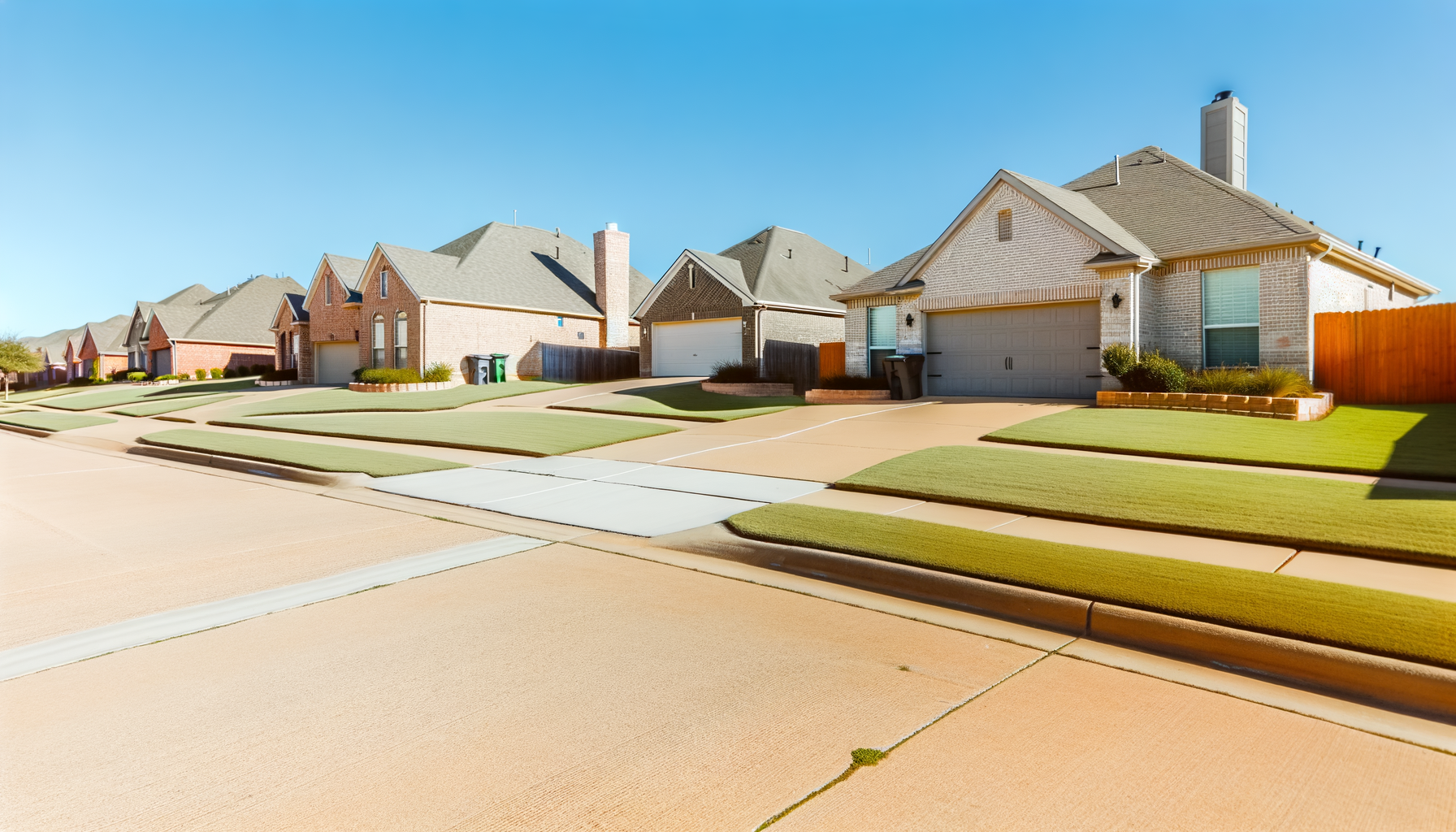
When people start comparing the cost of living between Prosper and Dallas, the conversation usually centers on housing and day-to-day expenses. Both areas appeal to buyers for different reasons. Dallas draws those who want proximity to major employers, established neighborhoods, and entertainment. Prosper attracts people who prefer newer construction, larger lots, and a bit more breathing room while remaining within the metro area. Understanding what drives those differences — particularly in housing, taxes, and ownership costs — helps you decide which location truly fits your lifestyle and budget. For an overview of the Prosper area, it’s useful to know how these costs play out in daily life.

While the two communities are only about 35 miles apart, the overall financial picture can look quite different when you add up mortgage payments, property taxes, and commuting costs. Buyers drawn to Prosper often see long-term value in space and newer infrastructure, whereas Dallas homeowners tend to focus on convenience and established neighborhoods closer to the urban core. Evaluating these priorities side by side gives a clear perspective before making a move.
How Expensive Is Prosper, TX?
Prosper generally sits at the higher end of the suburban price range due to newer construction and generous lot sizes. Many homes were built in the last decade, which raises entry prices but usually reduces early maintenance expenses. Compared with older Dallas housing stock, Prosper offers more modern layouts, upgraded materials, and community planning built around recent growth.
Daily living in Prosper tends to carry a few extra costs in exchange for space and comfort. Utility bills can be higher because of larger square footage, and homeowners’ association fees are more common. On the other hand, drivers save time and money by accessing routine shopping and services locally, rather than navigating central Dallas traffic. Costs balance differently depending on lifestyle and commute priorities.
Housing Costs in Prosper
Housing makes the biggest impact on Prosper’s cost of living. Most neighborhoods include newer single-family homes with larger yards. Communities such as Whitley Place feature established phases with mature landscaping and a mix of custom builders, appealing to buyers who appreciate a completed neighborhood feel. Properties here often have more architectural variety and interior upgrades that raise overall purchase prices.
In contrast, newer developments like Light Farms Laurel Neighborhood offer the consistency and planned amenities of a large master-planned community. Buyers may find slightly smaller lots but newer construction and modern energy efficiency standards that keep long-term utility costs manageable. The tradeoff comes down to lot size versus efficiency and convenience.
For those looking at custom or semi-custom builds, areas such as Lakes Of Prosper illustrate how water features and premium lot locations influence prices. Premium frontage and limited inventory often add a noticeable price difference even within the same city. Overall, housing in Prosper leans toward mid-to-upper-tier pricing, but newer systems and designs can reduce ongoing maintenance in the first several years of ownership.
Property Taxes and Ownership Costs in Prosper
Property taxes in the Prosper area can be higher than in older Dallas neighborhoods due to newer development and active infrastructure growth. Several master-planned communities fall within municipal utility districts, adding a line item to property tax assessments. Buyers evaluating Prosper need to review estimated annual obligations carefully because these taxes can significantly affect loan qualification and monthly payments.
Insurance costs follow similar patterns: larger homes with newer construction can result in higher coverage needs, though modern building codes may offset premiums slightly. Some neighborhoods maintain homeowners’ associations with dues for landscaping, amenities, or community maintenance. It’s important to confirm these recurring costs before closing, as they factor directly into the monthly budget alongside mortgage and taxes.
Monthly Cost Breakdown to Think About
Beyond the purchase price, monthly living costs in Prosper can include several predictable categories. Evaluating each one helps outline the true cost difference compared with Dallas:
- Mortgage and property taxes, which often account for the bulk of expenses
- Homeowners’ association dues in planned subdivisions
- Utilities, including water, trash, and electricity, which scale with home size
- Home maintenance and lawn care, particularly on larger lots
- Transportation costs for work commutes or frequent trips into Dallas
Each of these expenses varies by household habits and location, but Prosper homeowners generally manage higher property-related costs alongside lower urban living expenses, such as parking or tolls closer to the city. Reviewing these categories early helps compare true affordability between the two markets.
How Prosper Compares to Nearby Areas
Compared with Dallas, Prosper tends to emphasize newer developments and master-planned communities, while Dallas has broader diversity in home age and lot configuration. That variation means property values and maintenance budgets look very different even at similar purchase prices. Dallas neighborhoods may offer shorter commutes, established landscaping, and nearby dining or cultural options. Prosper, meanwhile, delivers more recent construction and larger living spaces, which carry a premium in land and finish-out.
Neighboring suburbs like Celina or McKinney share some of Prosper’s growth patterns, but Prosper’s local planning and reputation for quality new construction often keep it a step higher in price. Reinvestment in Dallas continues to raise costs within the city limits too, yet the maintenance and update expenses on older homes frequently offset those gains. Buyers ultimately weigh convenience and drive time against space and long-term maintenance savings.
Is Prosper Worth the Cost?
For buyers prioritizing newer homes, larger lots, and master-planned layouts, Prosper typically justifies its cost through long-term comfort and infrastructure. Homeowners value the sense of modern design, updated systems, and the ability to customize newer properties. The tradeoff is higher up-front and tax-related expenses compared with older Dallas housing options. Buyers seeking walkable urban living or shorter commutes may find Dallas a better fit.
For others, especially those planning for long-term ownership, Prosper’s growth and housing stock can make higher purchase prices worthwhile over time. The decision hinges on how you measure quality of daily life – whether that’s access and convenience, or space and peace of mind. Whichever you lean toward, comparing all ownership costs paints the clearest financial picture before making a move.
About Dustin Pitts | Prosper Real Estate Agent
As a local Realtor, Dustin Pitts provides detailed guidance for buying or selling in Prosper with a practical understanding of how neighborhood trends influence overall costs. His approach centers on transparency and long-term results — ensuring clients enter the market with clear expectations about budget and value.
With deep experience across Prosper and the broader North Dallas suburbs, Dustin helps clients identify where their budget stretches furthest and how ongoing costs shape ownership decisions. Personalized advice about neighborhoods, property taxes, and maintenance planning gives buyers and sellers a distinct advantage in today’s competitive market.
To talk through your plans and get specific insight on what homes and ownership costs look like in Prosper right now, reach out for professional real estate help in Prosper today.


