
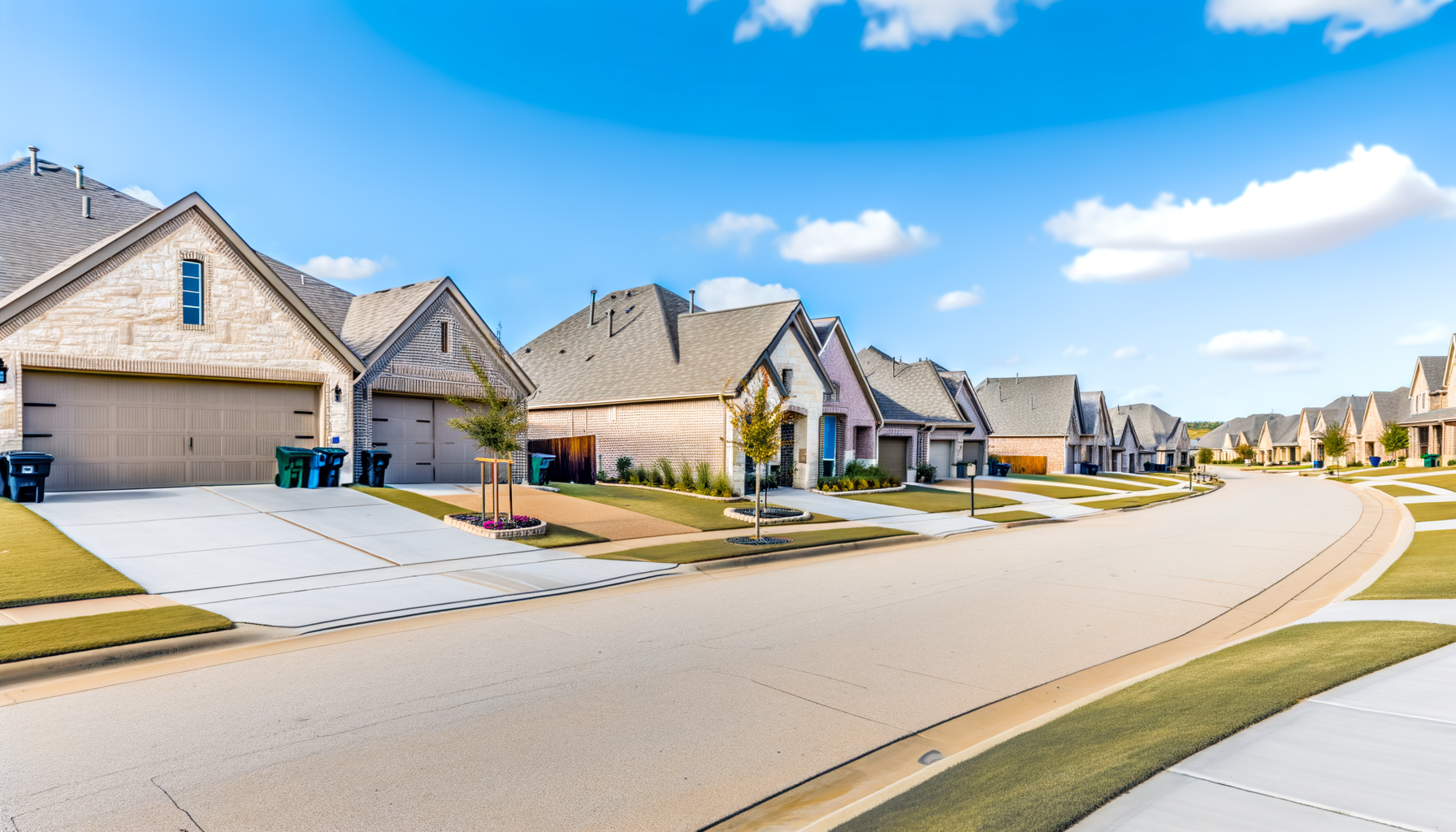
Buyers considering a move to Prosper often ask whether the town’s reputation for newer homes and well-planned neighborhoods makes it an expensive place to live. The short answer is that Prosper has higher housing costs than many older Dallas suburbs, but those costs reflect the style, lot sizes, and overall community design that Prosper has developed over the past decade. If you’re evaluating the Prosper market from a value perspective, it helps to look beyond home prices and understand what drives those numbers — from land layout and build quality to ongoing property taxes and HOA commitments.

While newer construction generally carries a premium, Prosper’s growth patterns mean buyers can often find value in the details — such as location within the town, builder type, or whether the neighborhood includes shared maintenance costs. Let’s break down what actually contributes to the cost of living in Prosper, where the tradeoffs show up, and how to evaluate whether the lifestyle and property type line up with your budget and goals.
How Expensive Is Prosper, TX?
Prosper tends to sit on the higher end of the cost spectrum compared to several other Dallas suburbs. That’s largely due to newer infrastructure, larger homes, and community-focused developments. The majority of Prosper has been built over the past fifteen years, which means the homes reflect current design trends — open layouts, outdoor living areas, and higher-end finishes — that drive up both construction costs and resale values.
Compared with nearby communities that developed earlier, Prosper’s land and build prices are somewhat higher because much of it was designed with a master-planned structure. This kind of development creates consistent curb appeal and well-maintained public spaces, but it also translates into stronger HOA responsibilities and less variation in architectural style. Buyers choosing Prosper are often comparing it to areas in north Frisco or McKinney, and the differences often come down to newer construction, larger lots, and a quieter suburban layout rather than higher density living.
That said, while Prosper is considered an upscale housing market, not all neighborhoods carry the same cost profile. Prices in some areas reflect the builder’s brand or community amenities rather than the town as a whole. The key is understanding how one section of Prosper can differ significantly from another.
Housing Costs in Prosper
Prosper’s housing market is largely defined by newer single-family homes on wide lots. Unlike older suburbs built with smaller parcels, most streets in Prosper feature homes with substantial frontage and deeper yards. As a result, even entry-level options here tend to have a higher baseline cost. Older neighborhoods on the south side may have more traditional layouts, while the north side and western developments have more expansive lots and newer construction.
For example, homes in Whitley Place often attract buyers drawn to mature landscaping and established architectural consistency. The area features primarily custom builds from respected local builders, and those larger lots and detailed finishes drive prices upward. Buyers looking here typically prioritize space, long-term quality, and community presentation.
By contrast, Light Farms Laurel Neighborhood reflects Prosper’s newer master-planned developments, where HOA structure and community planning take a more active role in daily living. These homes may have smaller individual lots, but they integrate shared green spaces, trails, and consistent architectural styling. The initial pricing here can be lower than older custom neighborhoods, but ongoing fees and shared expenses factor into ownership costs.
Also notable is Lakes Of Prosper, where traditional single-family designs are balanced with community amenities and scenic surroundings. Homes here are generally newer than in town core neighborhoods, and many buyers see it as a midpoint between higher-end custom areas and high-HOA developments.
Property Taxes and Ownership Costs in Prosper
Property taxes across Prosper are aligned with what buyers expect from newer suburban areas in Collin County. Because many properties here are recently built, assessed values are often high, and annual taxes reflect that base. Some neighborhoods also fall under multiple taxing districts due to utility or development infrastructure bonds, which can raise the overall rate. Reviewing both county and MUD/PID details before closing is crucial to avoid surprises.
Homeowners should also consider insurance costs, which can be influenced by roof materials, home size, and replacement value. Larger, high-finish homes naturally push premiums higher, and in Prosper, many houses include upgraded roofing or exterior materials that can reduce risk but raise coverage cost. HOA dues vary widely, especially between custom neighborhoods and master-planned developments, so comparing what those fees actually cover — from maintenance to amenities — is an important part of evaluating true ownership costs.
Maintenance costs are another practical factor. Prosper’s housing stock is newer, so major systems should still be under warranty or in good condition, but larger homes still require proportionally more upkeep — from landscaping to HVAC systems. For many residents, planning ahead for these ongoing costs creates a more accurate picture of what “expensive” really means.
Monthly Cost Breakdown to Think About
When potential homeowners calculate cost of living, it helps to outline every category that contributes to a household’s monthly budget. Prosper’s newer build quality and community design can offset some maintenance expenses, but other costs may trend upward compared to neighboring cities.
- Mortgage and property taxes: Higher purchase prices and tax assessments usually form the bulk of monthly expenses.
- HOA dues: Shared amenities, maintenance, and community upkeep factor in for most Prosper neighborhoods.
- Utilities: Larger home sizes typically increase water, electric, and gas usage, though modern efficiency designs can help balance that.
- Maintenance and landscaping: Lawns and outdoor spaces are sizable; budgeting for maintenance services is practical.
- Insurance: Replacement cost and coverage areas drive premiums more than geographical risk here.
Factoring in these elements helps buyers weigh Prosper’s cost of living in realistic terms, beyond just the home sale price. Many homeowners find that the predictability and design quality of the neighborhoods justify the slightly higher ongoing expense.
How Prosper Compares to Nearby Areas
Set next to larger, more built-out suburbs like Frisco and McKinney, Prosper feels newer and more spread out. Frisco’s cost advantage comes from higher housing density — more homes per acre and more attached product types. Prosper’s development philosophy focuses on detached homes with consistent architecture and open space between neighborhoods. That difference directly affects overall cost per home.
Compared with McKinney, Prosper generally features newer construction and fewer legacy neighborhoods. The tradeoff is that McKinney may offer smaller lot options and more pricing diversity, while Prosper continues to add primarily mid- to upper-market homes. For many buyers comparing communities, the decision often comes down to whether they want established character with lower maintenance or a newer home with expansive lots and newer infrastructure.
In short, Prosper isn’t the cheapest suburb in the north Dallas area, but it is one where value tends to hold firm due to newer construction and limited land availability. That mix of quality builds and steady demand defines its cost profile more than short-term market fluctuations.
Is Prosper Worth the Cost?
For many buyers, the answer depends on priorities. Prosper offers newer homes, substantial lot sizes, and a consistent visual standard across neighborhoods. Those qualities translate into higher upfront and ongoing costs, but they also maintain long-term property appeal. Homeowners seeking space, quality construction, and cohesive community planning often find those characteristics worth the premium.
The larger picture isn’t just about price — it’s about trade-offs. While buyers might find more affordable listings in neighboring towns, Prosper tends to deliver on the physical aspects of homeownership: lot width, newer infrastructure, and thoughtful master planning. For sellers, that consistent demand helps support strong resale positions, particularly in custom and semi-custom communities.
Before deciding, it’s smart to walk the neighborhoods, talk to current residents, and evaluate HOA obligations and property tax lines. Real understanding of Prosper’s cost of living comes from balancing what you pay each month against the type of home and environment you actually receive.
About Dustin Pitts | Prosper Real Estate Agent
As a local agent with deep experience helping clients across North Texas, I understand the nuances that shape Prosper’s home values. If you’re looking for dedicated real estate help in Prosper, I focus on aligning buyers and sellers with the right pricing strategies for this specific market — from custom home neighborhoods to newer master-planned communities.
My background includes years of working with homeowners evaluating northern Collin County towns, understanding how lot size, build age, and community design influence not just price but long-term livability. That perspective helps clients make confident, financially grounded choices when entering or exiting the Prosper market.
To discuss your goals or start the process of exploring homes in Prosper, connect today for personalized guidance on buying or selling in Prosper. Whether you’re weighing total cost of ownership or planning a move, an expert conversation can clarify what fits both your budget and your priorities.


